
Celebrating the Iconic White Brief
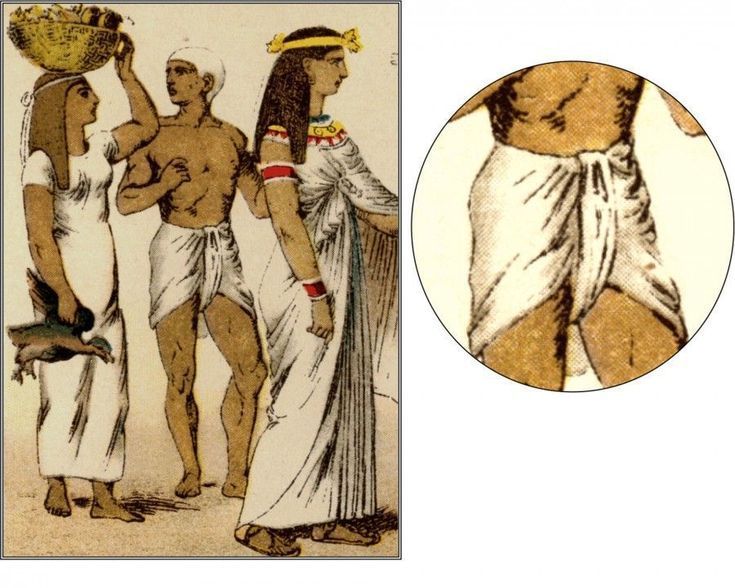
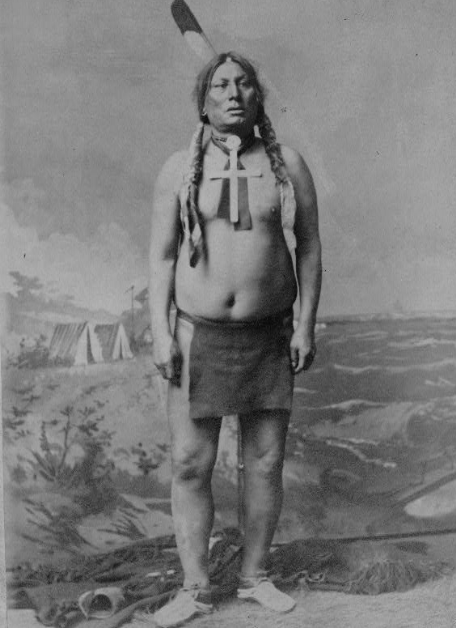
The story of men’s underwear dates back centuries. In ancient civilizations, the concept of undergarments existed in various forms. In Egypt, for example, men wore linen skirts and loincloths, which were practical for the hot climate. However, it wasn't until the 19th century that the first true underwear began to take shape, largely influenced by the industrial revolution and the growing need for more practical clothing.
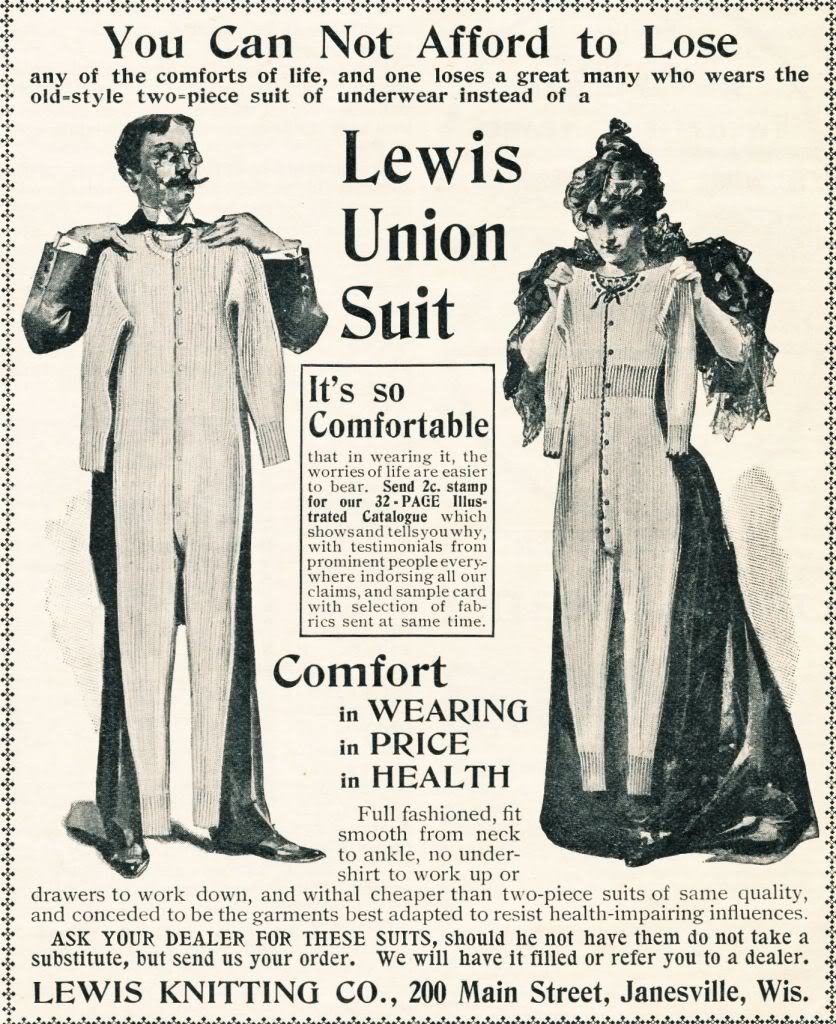
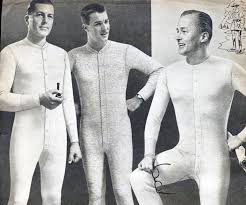
Before tighty whities, the more common style of men's undergarments was the union suit or the boxer shorts, which were typically made from wool or cotton. The union suit, a one-piece garment with long sleeves and legs, was introduced in the 19th century as an alternative to the older form of undergarments, such as the loincloth or pantalettes. By the late 1800s, these garments became a standard part of men's fashion, especially during the colder months.
The union suit was popular, but as society began to change in the early 20th century, men were looking for something a bit more comfortable and practical for day-to-day life, particularly as men's fashion evolved and clothing became more fitted.
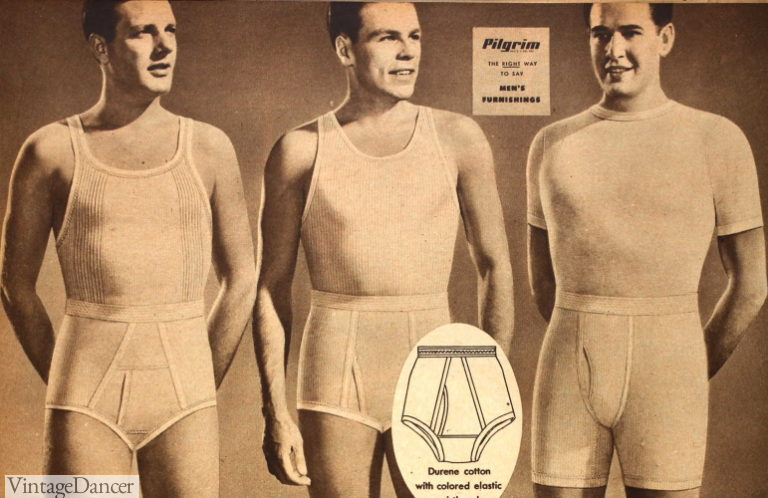
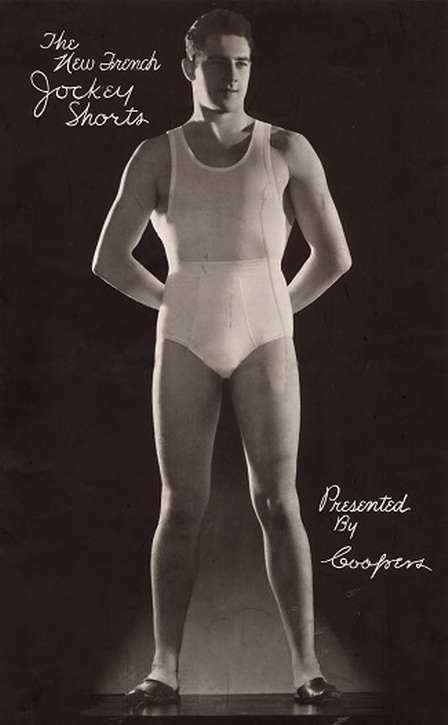
In 1935, the brief was born, changing the landscape of men's underwear forever. The story behind the creation of the brief is linked to the innovation of the Jockey® brand, which introduced the first modern-day men's brief. Designed by Arthur Kneibler, a designer at the Cooper Underwear Company, the Jockey brief was smaller, tighter, and more supportive than previous undergarments, offering a sleek, fitted option that men could wear under their pants without the discomfort of loose boxers or long union suits.
The brief was initially marketed as an elegant and practical alternative for men, featuring a "Y" shaped fly and offering more mobility and comfort than the bulky options available at the time. This design made it more suitable for active men and for wearing under slimmer clothing, which was becoming more popular as fashion trends shifted.
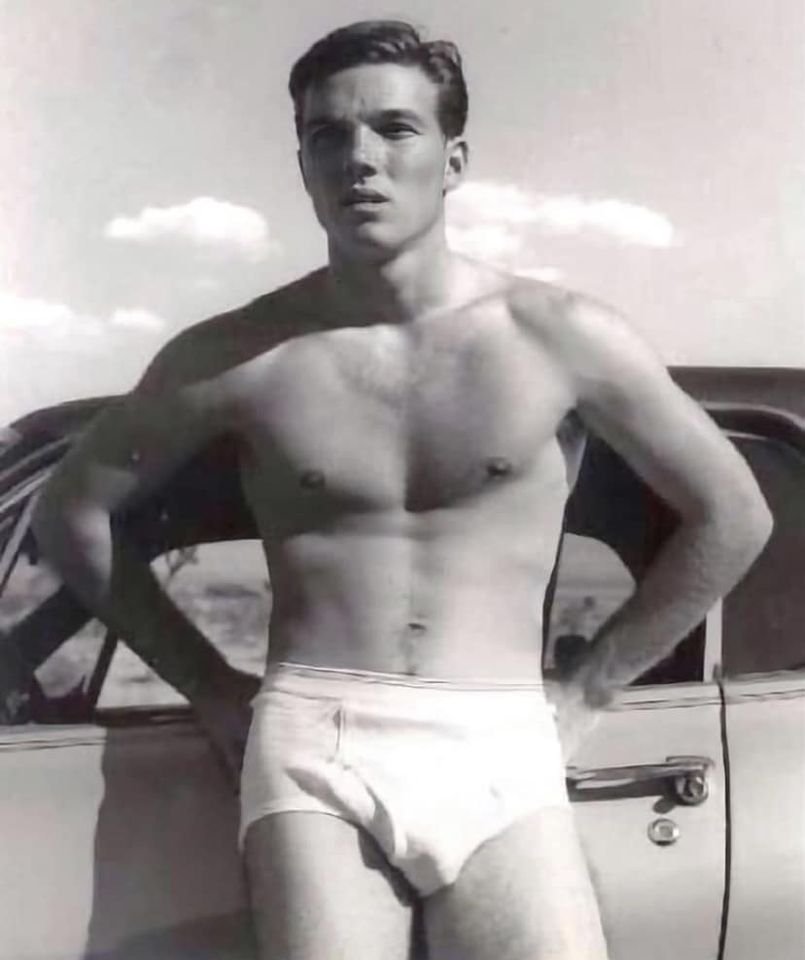

The term "tighty whities" didn't come into common usage until much later, but by the 1950s and 1960s, the brief’s popularity had skyrocketed, especially in America. During this time, manufacturers started producing briefs primarily in white, which eventually led to the iconic "tighty whities" look. The name refers to both the snug fit and the bright white color that became the default for most men's briefs.
The 1950s were a transformative period in fashion, and with the rise of celebrity culture, the brief became synonymous with youthful masculinity. Men’s magazines, films, and advertisements began showing men in tight-fitting white briefs, reinforcing the idea of the sleek, trim, and athletic male body. This cultural shift aligned with changing notions of masculinity during the post-World War II era, emphasizing fitness and body consciousness.
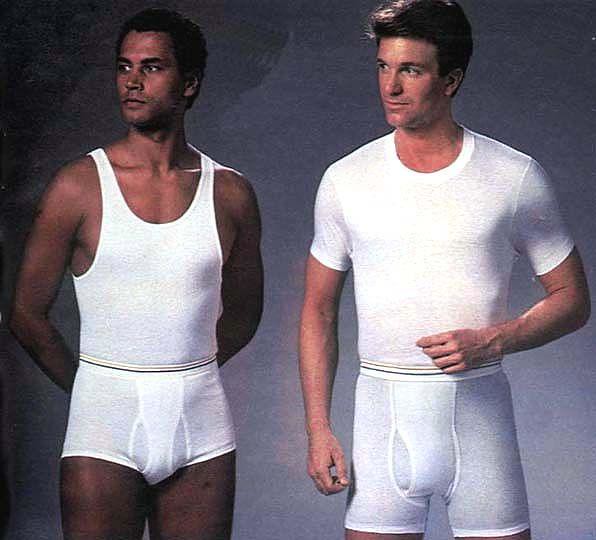
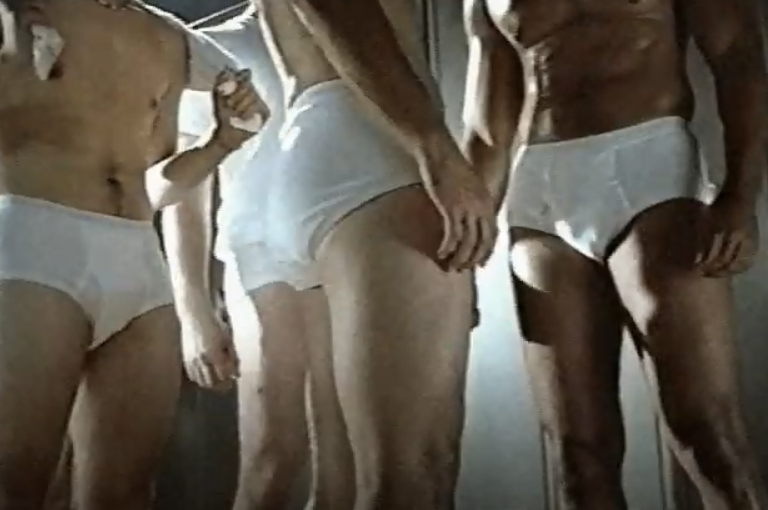
The 1970s and 1980s saw tighty whities further cement their place in mainstream fashion. They became a symbol of the "classic" or "traditional" male undergarment, especially as new, more colorful, and patterned options became available. The appeal of tighty whities persisted, even as new underwear designs like boxer briefs and boxer shorts emerged.
In pop culture, tighty whities played an important role in shaping perceptions of masculinity. Movies, TV shows, and advertisements often used the image of a man in tighty whities to represent youthfulness, innocence, and sometimes, vulnerability. One notable pop culture moment came in the 1980s when actor Tom Cruise famously donned a pair of tighty whities in the film Risky Business (1983), making the underwear an iconic image in Hollywood.
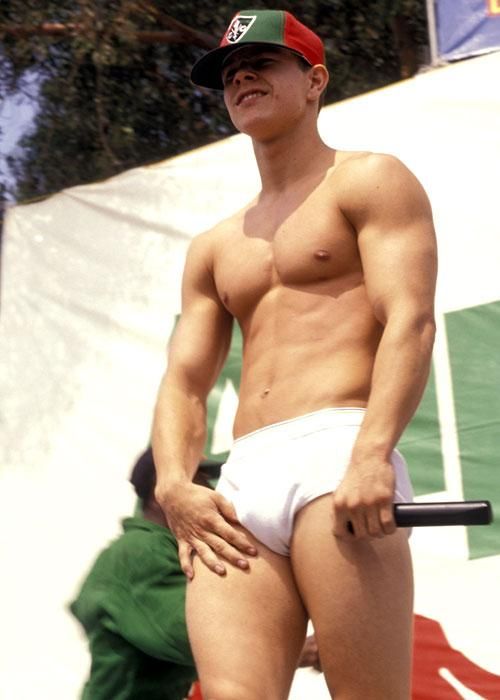
As the 21st century unfolded, tighty whities began to be seen as a bit old-fashioned. Men's underwear preferences became more diverse, and styles like boxer briefs and trunks grew in popularity. Yet, despite their decline in mainstream fashion, tighty whities never disappeared entirely. Many men still prefer them for their simplicity, comfort, and nostalgia, while others appreciate them for their classic, no-frills design.
The popularity of tighty whities also experienced a bit of a revival with the rise of retro fashion trends in the 2010s. Nostalgic branding, advertising, and retro-inspired designs led to the resurgence of the classic brief, and many young people now wear tighty whities as part of a broader trend embracing vintage styles.


In today’s modern age of diverse fashion choices, figures like Xander McKee, a prominent influencer and advocate for classic men’s fashion, are playing a pivotal role in keeping the tighty whities legacy alive and well. McKee, known for his distinctive social media presence, regularly posts about vintage and classic fashion choices, proudly sporting his collection of tighty whities and other retro undergarments.
His Instagram feed, which has garnered a significant following, often features McKee in tighty whities, showing that even in a world dominated by a vast array of underwear styles, the simple and timeless appeal of tighty whities still holds strong. McKee’s advocacy has helped redefine the way younger generations view this classic undergarment. By emphasizing the comfort, nostalgia, and sheer simplicity of tighty whities, he’s helping to bring the iconic briefs back into fashion.
From their invention in the 1930s to their status as a cultural icon in the 1950s and beyond, men’s tighty whities have undergone significant changes in both design and cultural significance. What started as a practical undergarment has become a symbol of classic masculinity, shifting trends, and evolving cultural norms. While their dominance in men’s underwear has waned with the advent of new styles, tighty whities continue to hold a special place in the history of fashion.
Thanks to influencers like McKee, the tighty whities legacy is far from fading away. His embrace of the iconic style reminds us that even in today’s world of diverse and ever-evolving fashion choices, there’s something special about the classic white brief. Whether for their simplicity, comfort, or nostalgic charm, tighty whities remain an enduring part of men’s fashion, a reminder of the past, and a testament to the timeless appeal of classic style.